
Commercial Moving in City of Industry: Warehouse & Office Relocation Guide
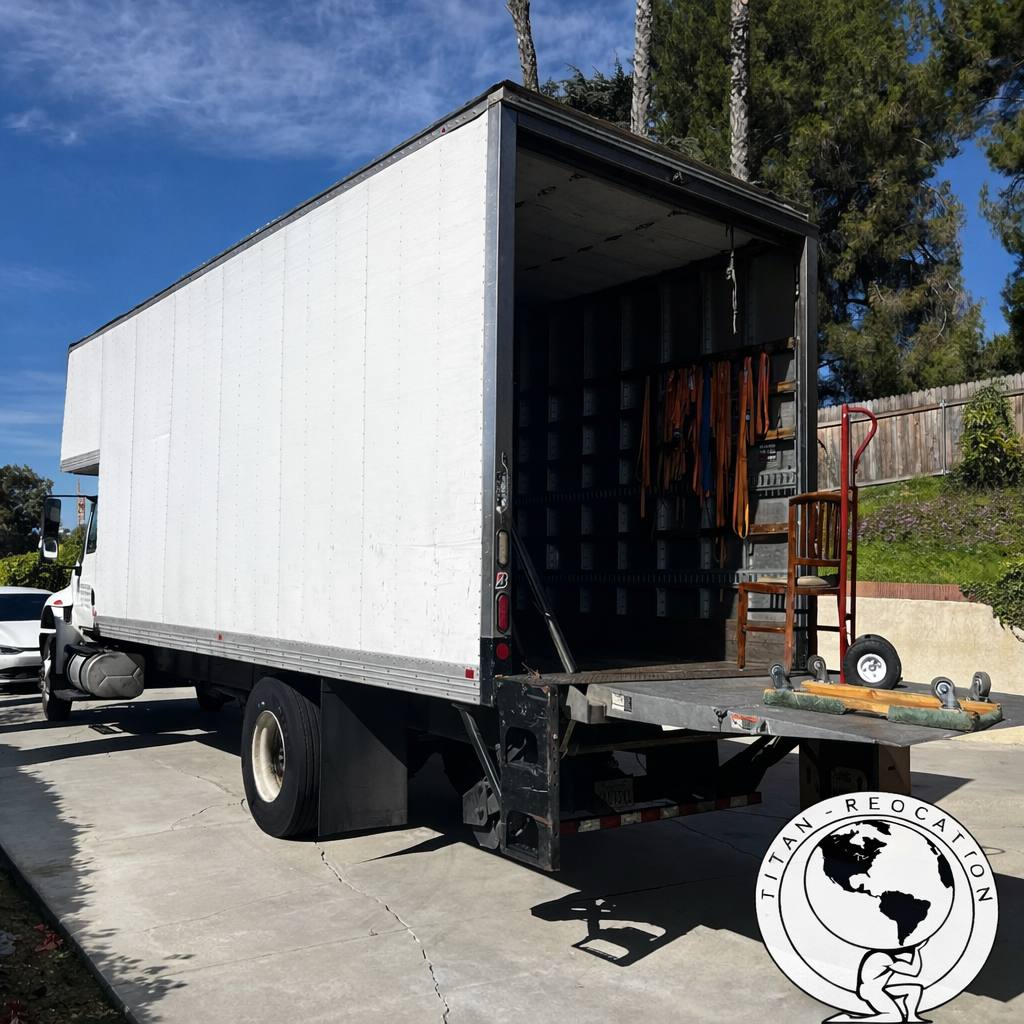
Commercial moving services for warehouse and office relocation in City of Industry
City of Industry is one of Southern California’s largest commercial hubs, with a high concentration of warehouses, distribution centers, office spaces, and industrial facilities. Because of this, business relocations in the area often involve more complex logistics than a standard move. Companies usually need to coordinate equipment handling, inventory control, scheduling, and access requirements while keeping downtime as low as possible.
Whether the move involves a warehouse, office suite, or mixed-use commercial space, planning is critical. Below is a practical guide to the most common challenges of commercial moving in City of Industry and how professional crews typically handle them.

Table of Contents

Why Commercial Moves in City of Industry Require a Different Approach

Commercial relocations are very different from residential moves because they often involve business continuity, strict deadlines, and more specialized assets. In City of Industry, many facilities operate on schedules tied to shipping, receiving, manufacturing, or client-facing office operations, so even a short delay can create costly disruptions.
This is why many companies work with professional teams that provide commercial moving services designed around timing, inventory flow, and workspace setup rather than basic transport alone.

Warehouse Relocation Challenges

Warehouse moves often involve palletized inventory, industrial shelving, heavy equipment, packing stations, and large storage systems. Unlike a typical move, these projects require careful sequencing so items are loaded, transported, and unloaded in a way that supports fast reorganization at the new location.
Another major concern is downtime. Every hour of interruption can affect order fulfillment, staffing, and revenue. For that reason, many warehouse relocations are scheduled during evenings, weekends, or phased transition periods to help reduce disruption.

Office Moving Challenges

Office relocations in City of Industry usually involve sensitive electronics, workstations, confidential files, and modular furniture systems. Computers, monitors, servers, and communication equipment must be packed and moved carefully to avoid damage and reduce setup delays at the new office.
Modular desks, cubicles, and conference room furniture may also need to be disassembled and reassembled properly. Without a clear plan, businesses can lose time trying to reconnect teams, locate equipment, and restore daily workflow.

Why Labeling and Logistics Matter

One of the most important parts of a successful business move is organization. Labeling systems, department-based packing, loading sequences, and floor-plan coordination all help ensure that items arrive in the correct order and are placed in the right location.
Professional movers typically use a structured process that keeps inventory traceable throughout the move. This is especially important for larger offices and warehouse relocations where misplaced equipment or unlabeled inventory can slow down reopening.

How a Commercial Relocation Company Helps Reduce Downtime

A professional commercial relocation company usually begins with a move assessment to understand the size of the project, operational deadlines, building access, equipment needs, and the layout of both locations. This allows the crew to plan labor, truck loading, staging, and delivery in a way that supports a faster transition.
Experienced teams can also help coordinate furniture breakdown, equipment protection, phased moving schedules, and after-hours relocation plans. For businesses in City of Industry, this kind of preparation is often the key to keeping projects on schedule while reducing disruption to daily operations.

When Professional Commercial Moving Services Make the Biggest Difference

Commercial moving services are especially valuable when the move involves large inventory volumes, multiple departments, sensitive electronics, or strict reopening deadlines. They are also important when a company cannot afford disorganization during the transition.
Businesses moving warehouses, offices, or combined operational spaces in City of Industry often benefit from working with movers who understand how to manage complex loading plans, coordinate timelines, and protect both inventory and equipment throughout the process.

FAQ

Commercial moves usually involve business equipment, inventory systems, sensitive electronics, furniture breakdown, and strict deadlines. In many cases, the goal is not just to move items but to keep the business functioning with minimal downtime.

Many businesses schedule moves during evenings or weekends to reduce operational disruption. The best timing depends on staffing, building access, and how quickly the new space needs to be functional.

Workstations, departments, furniture components, electronics, inventory zones, and priority items should all be labeled clearly. A strong labeling system helps speed up unloading and setup at the new location.

A commercial relocation company can help reduce downtime, improve organization, protect equipment, and keep the move on schedule. This is especially important for businesses with complex layouts, large inventory, or tight deadlines.

Conclusion

Commercial moving in City of Industry requires more than transportation alone. Warehouse inventory, office electronics, furniture systems, and operational timelines all need to be managed carefully to keep the move efficient and organized. With the right plan and experienced movers, businesses can reduce downtime, protect assets, and transition more smoothly into the new space.
If your business is planning a relocation, working with a team that provides professional commercial moving services can make the process far more manageable from start to finish.